Food does more than provide energy. What and when we eat can influence physical health, energy levels, concentration and the body’s systems that interact with the brain. Mood can also affect appetite, food choices and eating routines. The relationship between food and mental well-being therefore works in both directions.
Nutrition is one part of mental health—not a cure for depression, anxiety or other conditions. This guide explains the gut–brain connection, what research suggests about dietary patterns and mood, and how to make realistic food choices without labelling foods or people as “good” or “bad.”
How are food and psychology connected?
The brain needs a steady supply of energy and nutrients to function. Eating patterns can influence hunger, alertness and energy, while illness, stress, mood and daily circumstances can influence what and when a person eats. For example, stress may reduce appetite for one person and increase it for another.
It is more accurate to discuss overall dietary patterns and health than to claim that one food directly creates a particular emotion. A meal can be enjoyable, comforting or culturally meaningful, but no single ingredient guarantees happiness, focus or calm.
The gut–brain connection
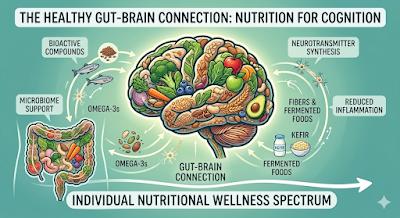
The gut and brain communicate through several pathways, including nerves, hormones, immune signals and chemical messengers. The gut microbiome—the community of microorganisms living in the digestive tract—is one area of active research. Scientists are studying how diet, microbes and gut–brain signalling may relate to stress, mood and other aspects of health.
This field is promising but complex. Many findings come from animal studies or observational research, and associations in humans do not prove that changing the microbiome will treat a mental health condition. Commercial claims about “healing the gut” to cure anxiety or depression should be treated cautiously.
How nutrients support the brain
The body uses nutrients for many processes involved in brain function. Protein provides amino acids; fats are part of cell membranes; vitamins and minerals support metabolism and other biological functions; and carbohydrates provide an important source of energy. These roles do not mean that eating a particular food will directly raise one neurotransmitter or immediately change a person’s mood.
For example, serotonin is made in the body from the amino acid tryptophan, but the relationship between a meal and brain serotonin is not a simple “eat this food and feel happy” pathway. Dopamine and other neurotransmitter systems are also regulated through complex processes. Food is not a direct mood switch.
What does research say about diet and mood?
Research has found associations between overall diet quality and mental health. Some studies suggest that dietary patterns rich in vegetables, fruit, legumes, whole grains, nuts and suitable sources of protein are associated with better health outcomes. However, diet is influenced by income, food availability, culture, illness and many other factors, so it is important not to blame people for their circumstances.
The SMILES trial, a randomised controlled study published in 2017, tested a structured dietary-support programme alongside usual care for adults with moderate to severe depression. The dietary intervention group showed greater improvement in depressive symptoms than the social-support control group over the 12-week trial. This was a relatively small study and does not show that diet alone can replace psychotherapy, medication or other indicated treatment.
The World Health Organization recommends a varied, balanced diet for overall health. This is a sensible foundation, but individual needs differ and people with medical conditions may require tailored nutrition advice.
Eating patterns that can support general well-being
Include a variety of foods
Where possible, include vegetables and fruits, pulses such as beans and lentils, whole grains, nuts or seeds and suitable protein sources. A varied pattern helps provide different nutrients and fibre. Fresh, frozen, canned and locally available foods can all contribute, depending on preparation and affordability.
Choose regular meals that fit your routine
Some people feel better with regular meals, while others have schedules that make this difficult. If long gaps between meals leave you tired or irritable, planning a simple meal or snack may help. There is no single meal schedule that suits everyone.
Include sources of healthy fats
Foods such as nuts, seeds, fish and some plant oils provide unsaturated fats. These can be part of a balanced dietary pattern. No single food or supplement should be presented as a guaranteed way to improve memory or prevent depression.
Stay hydrated
Fluid needs vary with climate, activity, health and individual circumstances. Drinking water regularly and responding to thirst can help prevent dehydration. Severe or persistent fatigue, confusion or dizziness should not automatically be attributed to hydration; seek medical advice when symptoms are concerning.
Be moderate with highly processed foods and sugary drinks
Foods high in added sugar, salt or saturated fat can be part of a person’s diet, but relying on them as the main source of nourishment may make it harder to meet nutritional needs. There is no need to fear a particular food or assume that one sweet snack causes a mental health problem. Focus on the overall pattern rather than guilt or rigid rules.
Food, mood and everyday behaviour
Emotional eating
Some people eat in response to stress, sadness, boredom or loneliness rather than physical hunger. Food can provide comfort, and this behaviour is common. If eating becomes a repeated source of distress, loss of control or health problems, a healthcare professional or registered dietitian can help without judgement.
Reward and habit
Food can be connected with celebration, routine, memory and reward. Smell, taste, availability and social context can influence choices. These learned associations are part of normal behaviour; they do not mean that someone is “addicted to sugar” simply because they enjoy sweet foods.
Appetite changes during stress or low mood
Stress and depression can change appetite in different ways. Some people eat less, while others eat more or find that their routines become irregular. Persistent appetite or weight changes deserve attention, especially when accompanied by other symptoms.
Practical ways to build a supportive eating routine
1. Start with one realistic addition
Instead of changing your entire diet, add one helpful option: a fruit, a vegetable, a serving of lentils or a handful of nuts if suitable and affordable. Small changes are easier to maintain than strict plans.
2. Plan around your actual day
Work hours, commuting, caregiving, budget and access to food all matter. Keep simple options available when possible, such as fruit, roasted pulses, curd or another food that fits your needs and preferences.
3. Avoid extreme restriction
Highly restrictive diets can be difficult to sustain and may worsen stress around food. If you are considering a major dietary change, especially for a medical reason, seek advice from a qualified professional.
4. Notice patterns without judging yourself
If you feel low-energy or irritable at a particular time, consider sleep, stress, meal timing, hydration and health together. A short food-and-mood note may help identify patterns, but it should not become obsessive tracking or a reason to blame yourself.
5. Seek support for persistent difficulties
If appetite changes, binge eating, food restriction, weight changes or distress around food are affecting daily life, speak with a doctor, registered dietitian or qualified mental health professional. Eating disorders require appropriate care; they are not solved by willpower or generic diet advice.
Food is not a replacement for mental health care
Depression, anxiety and other mental health conditions have multiple contributing factors. Nutrition may support general health and can be one part of a broader care plan, but it should not be used as a substitute for evidence-based treatment. Do not stop prescribed medication or delay seeking help because of claims about a special diet or supplement.
For more on related topics, read our guide to mental wellness, understanding feelings and emotions and healthy sleep habits.
Frequently asked questions
Can food affect mood?
Food and mood can influence each other. Overall diet quality, physical health, meal routines and social context may all matter. No single food reliably produces a particular emotion.
Can a healthy diet cure depression?
No. Dietary support may be useful alongside care for some people, but depression is complex and should be assessed and treated by qualified professionals. Diet is not a replacement for indicated therapy or medication.
Does sugar cause anxiety or depression?
It is not accurate to say that sugar alone causes these conditions. Overall dietary patterns and health matter, and research does not support reducing mental health conditions to one ingredient.
What is the gut–brain axis?
It refers to the two-way communication between the digestive system and the brain through neural, hormonal, immune and other pathways. Researchers are still learning how the microbiome contributes to mental health.
Should I take supplements for better mood?
Do not start supplements based on online claims. Some supplements can interact with medicines or be unsuitable for certain health conditions. Discuss persistent symptoms and supplement questions with a qualified healthcare professional.
References and further reading
- World Health Organization: Healthy Diet (2026).
- Jacka et al. (2017): A Randomised Controlled Trial of Dietary Improvement for Adults with Major Depression (the SMILES trial).
- Granero et al. (2022): Role of Nutrition and Diet on Healthy Mental State.
- Del Portillo et al. (2024): Nutritional Modulation of the Gut–Brain Axis.
- American Psychological Association (2026): We Are What We Eat.
JM MindMint provides general educational information, not personalised nutrition or mental health treatment. Consult a qualified healthcare professional or registered dietitian for advice tailored to your health needs.