Digital technology is part of everyday life. Phones, messaging apps, social platforms, online learning and digital work tools help people communicate, find information and access services. They can also create pressure through constant notifications, social comparison, upsetting content, online harassment and difficulty switching off.
The relationship between digital technology and mental health is not simply good or bad. It depends on what a person does online, how often, at what time, with whom, and how that use affects sleep, relationships, work and daily life. This guide looks at both benefits and risks and offers practical ways to build a healthier digital routine.
What does mental health in the digital age mean?
Mental health in the digital age refers to how digital environments and technology use interact with emotional well-being, attention, relationships, behaviour and daily functioning. The term does not describe a separate diagnosis. It is a way of examining how online experiences fit into a person’s wider life.
Technology can make support and information easier to access. It can also expose people to misinformation, harassment, privacy risks or content that increases distress. The effect varies across individuals and communities.
How can digital technology support mental well-being?
Online tools can help people maintain relationships across distance, find communities with shared experiences, learn new skills, access health information and use remote services. For someone who feels isolated, a supportive online community may provide connection that is difficult to find locally.
Digital tools can also help people organise tasks, access counselling or health services where available, and stay in touch with family. The goal is not to reject technology; it is to make use of benefits while recognising when a particular pattern is causing difficulty.
When can digital use become stressful?
1. Social comparison and self-image
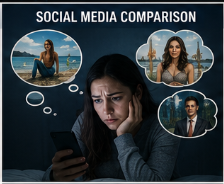
Social platforms often show selected moments: achievements, edited photographs, celebrations and carefully presented lifestyles. Comparing everyday life with another person’s curated posts can create unrealistic expectations or dissatisfaction. This does not happen to everyone, and social media can also provide encouragement and belonging.
Notice how particular accounts or types of content affect your mood. Unfollowing, muting or taking a break from accounts that repeatedly leave you feeling inadequate can be a reasonable boundary.
2. Constant notifications and interrupted attention
Alerts, messages and app switching can interrupt tasks and make it harder to maintain attention. Even a brief interruption may require time to return to the original activity. The effect depends on the task, the person and the frequency of interruptions.
Try turning off non-essential notifications, checking messages at planned times or keeping your phone out of reach during work that requires concentration. Important calls and safety alerts can remain enabled.
3. Problematic patterns of social media use
Some people find it difficult to stop scrolling even when they want to, or continue using an app despite repeated effects on sleep, relationships or responsibilities. Researchers study these patterns as problematic social media use. This is not the same as saying that every frequent user is addicted or has a mental disorder.
A 2022 systematic review and meta-analysis found associations between problematic social media use and symptoms of depression, anxiety and stress in adolescents and young adults. A 2024 systematic review also examined links between social media use, mental health and sleep. These findings describe associations across studies; they do not prove that social media alone causes a particular mental health condition.
4. Online harassment, exclusion and harmful content
Cyberbullying, threats, discrimination, unwanted contact and repeated exposure to distressing content can affect well-being. For children and adolescents, online experiences may be especially important because development, peer relationships and sleep are still changing. Save evidence of serious harassment when safe, use platform reporting and blocking tools, and seek help from a trusted adult or appropriate authority when needed.
5. Sleep disruption
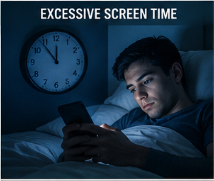
Late-night messaging, gaming or scrolling can delay bedtime or keep the mind engaged. Bright light in the evening can also affect circadian timing for some people. Sleep problems have many possible causes, so it is better to look at the whole routine rather than blaming every difficulty on screens.
6. Information overload and distressing news
Continuous updates can make it difficult to take a break from worrying events. Repeatedly checking news or comments may increase stress without providing useful new information. Choose reliable sources, decide when to check updates and allow time away from distressing content.
Why the same app can affect people differently
There is no single screen-time number that predicts mental health for every person. The type of activity matters: creating, learning or talking with a supportive friend is different from endless comparison, harassment or late-night scrolling. Personal circumstances also matter, including age, existing mental health, offline support, disability, work demands and access to safe spaces.
For adolescents, professional guidance emphasises developmentally appropriate use, protection from harmful content and attention to sleep, social relationships and daily functioning. The American Psychological Association’s advisory on social media use in adolescence recommends considering the young person’s developmental stage and individual vulnerabilities rather than relying on one rule for everyone.

How to build a healthier digital routine
1. Notice how different activities affect you
For a few days, observe which online activities leave you informed, connected or relaxed—and which leave you tense, distracted or low. Pay attention to timing and context. This can reveal patterns that a total screen-time number cannot show.
2. Set boundaries that fit your day
Choose specific moments when you want fewer interruptions, such as meals, focused work, conversations or the period before sleep. Use app timers or focus settings if they help, but avoid treating them as a moral score. Adjust the boundary if work, caregiving or safety requires access.
3. Curate your feeds
Follow sources that provide reliable information, useful learning or supportive connection. Unfollow, mute or block accounts that repeatedly spread misinformation, harassment or content that makes you feel unsafe. Report serious violations through the platform’s tools.
4. Protect sleep time
If phone use regularly delays sleep, try charging the device away from the bed, using a separate alarm clock or setting a wind-down reminder. Keep urgent contact options available if you need to remain reachable.
5. Make room for offline connection
Spend time with people in ways that work for you: a conversation, shared meal, walk, family activity or community group. Online connection can be valuable, and offline relationships can provide forms of practical support that a screen cannot always replace.
6. Take purposeful breaks rather than chasing a perfect digital detox
A short break from a particular app or type of content can help you reset. You do not need to abandon all technology. Keep the tools that support your work, learning and relationships, and reduce the patterns that interfere with the rest of your life.
7. Check information before sharing it
Pause before forwarding alarming health claims, sensational headlines or edited images. Check the original source, date and supporting evidence. If a claim could affect someone’s health or safety, rely on recognised public health or professional sources.
8. Ask for help when online experiences cause harm
If online harassment, compulsive use, anxiety, low mood or sleep disruption is affecting daily life, talk with someone you trust or a qualified professional. For a child or teenager, involve a supportive adult and consider professional guidance rather than responding only with punishment or abrupt device removal.

Warning signs that a digital habit may need attention
- You repeatedly intend to stop but find it difficult to do so.
- Online activity regularly displaces sleep, meals, work, study or relationships.
- You feel distressed or unsafe because of online interactions or content.
- You continue a pattern even when it is clearly affecting your daily responsibilities.
- You use online activity as your only way to cope with difficult emotions and feel unable to access other support.
These signs are reasons to pause and seek support, not a diagnosis by themselves.
Frequently asked questions
Does social media cause depression?
Research has found associations between some patterns of social media use and depressive symptoms, especially problematic use. The relationship is complex and can work in both directions. Social media alone cannot explain every person’s mental health.
Is all screen time harmful?
No. Digital tools can support education, work, creativity, health access and relationships. The purpose, content, timing and impact of use are more informative than treating every screen minute as equal.
How can I reduce digital stress?
Start by identifying the apps or situations that cause the most disruption. Turn off unnecessary alerts, create screen-free periods, curate your feeds and protect sleep. Make changes that fit your responsibilities.
Should parents ban social media for teenagers?
There is no single rule that suits every family or adolescent. Age, maturity, safety, the platform, the young person’s well-being and family circumstances all matter. Open discussion, clear boundaries, supervision appropriate to development and attention to harmful experiences are more useful than relying only on a blanket rule.
When should someone seek professional help?
Seek support if online experiences or habits are causing persistent distress, sleep disruption, withdrawal from daily life, harassment or difficulty functioning. Urgent help is needed if someone may harm themselves or another person.
References and further reading
- American Psychological Association: Health Advisory on Social Media Use in Adolescence.
- U.S. Surgeon General: Social Media and Youth Mental Health Advisory.
- Shannon et al. (2022): Problematic Social Media Use in Adolescents and Young Adults.
- Ahmed et al. (2024): Social Media Use, Mental Health and Sleep: A Systematic Review.
- National Academies consensus report discussion: Social Media and Adolescent Mental Health.
Explore more in our cyberpsychology guide, understanding feelings and emotions and mental wellness and common psychological difficulties.
JM MindMint provides general educational information, not diagnosis or treatment. If digital experiences are causing persistent distress or safety concerns, seek support from a qualified professional or appropriate local service.